
There’s visible cracking and potholes, faded striping, and standing water that warn you your Wilmington lot needs sealcoating; sealcoating protects asphalt and saves on costly repairs.
Key Takeaways:
- Visible surface cracking, potholes, and eroding edges indicate water infiltration and structural weakening; sealcoating blocks moisture and slows further deterioration.
- Faded color, oxidation, and recurring oil stains show the asphalt is losing binder and UV protection; a fresh sealcoat restores surface resilience and reduces staining.
- Heavy traffic or pavement older than 3-5 years benefits from timely sealcoating to extend service life and prevent costly repaving.
Fading Color and Surface Oxidation
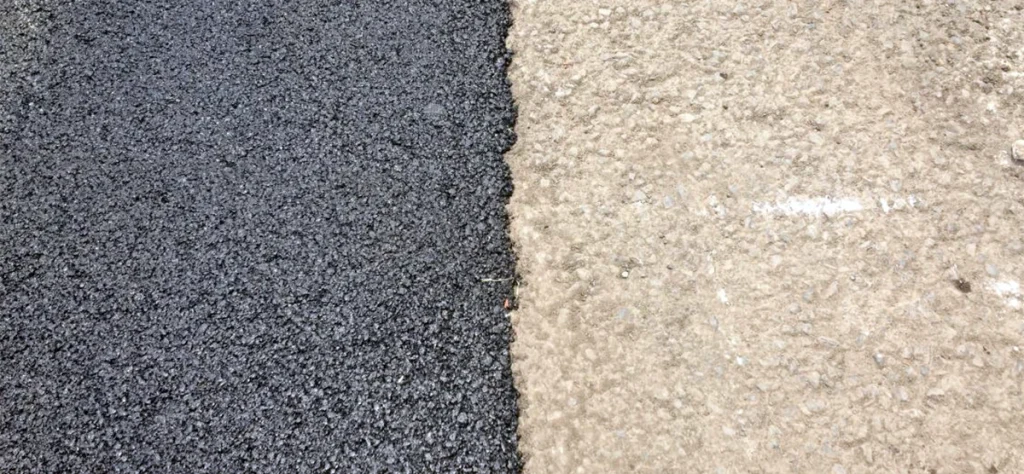
Fading color and surface oxidation show that you should schedule sealcoating before the asphalt loses binder and becomes prone to cracking and water intrusion, shortening its life and raising repair costs.
Identifying the Shift from Deep Black to Ash Gray
Notice when your pavement shifts from deep black to ash gray, a clear sign the oil binder has oxidized; you risk surface flaking and faster pothole formation if you delay sealcoating.
How UV Exposure Compromises Asphalt Flexibility
Sunlight breaks down asphalt binders, so you find the surface becoming brittle; you increase the likelihood of cracking under traffic when flexibility is lost without timely sealcoating.
Asphalt exposed to constant sunlight loses volatile oils and the binder becomes oxidized, so you notice microcracks forming that widen with traffic and freeze-thaw cycles; prompt sealcoating replenishes surface protection and delays large-scale repairs.
The Emergence of Hairline and Spiderweb Cracks
Hairline and spiderweb cracks tell you the surface is aging; water and oil will widen them, leading to larger potholes and expensive repairs if left untreated.
Recognizing Early Signs of Alligator Cracking
Alligator cracking appears as interlocking, map-like fractures; you should watch for tight, repeated networks near heavy traffic zones, which signal base weakness requiring prompt repair.
Preventing Moisture Infiltration into the Sub-base
Sealing early with quality sealcoat prevents water from entering hairline cracks and protects the sub-base, cutting freeze-thaw damage and long-term repair costs.
You should combine sealcoating with thorough crack filling, edge sealing and proper drainage to block moisture paths. Cleaning debris and maintaining pavement slope also limit infiltration. If moisture reaches the sub-base, you’ll face repetitive failures and expensive full-depth repairs, so schedule sealcoating every few years and inspect after harsh winters.
Visible Potholes and Surface Raveling
Potholes and surface raveling signal that your asphalt is losing cohesion; you should prioritize sealcoating to stop water intrusion and freeze-thaw cycles. Small holes widen quickly, posing trip risks and vehicle damage. Schedule repairs before potholes deepen and costs multiply.
Assessing Loose Gravel and Aggregate Loss
Inspect areas where loose gravel accumulates; you’re seeing aggregate loss that reduces skid resistance and speeds surface breakdown. Loose stones near drains or edges mean sealcoating and spot patching are overdue to restore surface integrity and safety.
The Progression of Small Depressions into Structural Failures
Small depressions trap water and concentrate stress, so you risk rapid conversion to structural failures if left unsealed; sealcoating fills hairline voids and slows deterioration, keeping repair costs lower and extending pavement life.
Deeper depressions enlarge under traffic, channeling water into the base and causing edge failures and interconnected cracking; you face accelerated deterioration and higher replacement costs if you delay. Timely sealcoating and targeted resurfacing can arrest progression, restore load distribution, and reduce pothole formation, preserving safety and lowering long-term expenses. Watch for spreading cracks and sinking edges as clear signs to act.
Evidence of Oil, Gas, and Chemical Stains
Stains from vehicles or spills that look like dark, wet patches mean you may have chemical or petroleum damage; you should act quickly because these spots can soften and break down asphalt binder, accelerating cracks and potholes before you realize the pavement is compromised.
How Petroleum Products Dissolve Asphalt Binders
Petroleum-based fluids act as solvents, penetrating the surface and dissolving the asphalt binder, which causes aggregate to loosen and surface texture to ravel; you’ll see granular loss and weak spots that speed deterioration.
Neutralizing Corrosive Spots Before Sealcoating Application
Treat corrosive stains by removing residue with absorbents and a pH-neutral cleaner, then rinse thoroughly; you must ensure the spot is fully neutralized and dry so the sealcoat will adhere properly and not trap ongoing chemical damage.
Before sealcoating, you should identify the stain type and address it: soak up fresh oil with an absorbent, use a commercial degreaser for petroleum, and neutralize battery acid with a baking soda solution; scrub, rinse, and allow full drying. If stains persist, you may need to remove contaminated asphalt or apply a primer-ensure complete neutralization and dryness for reliable sealcoat bonding.
Persistent Standing Water and Poor Drainage
Standing water on your lot after storms signals failing surface and poor drainage; you should schedule sealcoating to prevent asphalt deterioration, base erosion, and accelerated pothole formation.
Identifying Depressions that Trap Seasonal Runoff
Depressions that trap seasonal runoff become persistent pooling sites; you should walk the lot after melts and heavy rain to mark low spots, edge erosion, and soft patches before sealcoating is applied.
The Risks of Water Penetration During Wilmington Freeze-Thaw Cycles
Water penetrating cracks freezes during Wilmington’s cycles, causing expansion that leads to widening cracks and early potholes; you need sealcoating to limit infiltration and slow winter damage progression.
If water soaks into microcracks before a hard freeze, freezing expands it and frays the asphalt binder, producing hairline splits that merge into alligator cracking and potholes over successive cycles. You should expect that repeated freeze-thaw plus deicing salts will undermine the base, increase repair costs, and make preventive sealcoating much more effective and less expensive than full resurfacing.
Wilmington’s Climate and Local Maintenance Timelines
Wilmington’s freeze-thaw cycles and coastal moisture shorten pavement life, so you should schedule sealcoating every 2-3 years and inspect after winter; delaying risks potholes and costly repairs.
Preparing Your Pavement for Harsh Massachusetts Winters
Prepare your pavement by sealing cracks, clearing drains, and applying sealcoat before the first freeze so you prevent water intrusion and accelerated deterioration.
Optimal Temperature Windows for Maximum Sealant Adhesion
Aim to apply sealcoat when you have temperatures that stay between 50°F and 85°F for 24-48 hours so the product achieves proper adhesion before night freezes.
Check forecasts and pick a 48-hour window with low humidity and rising daytime temps so your sealant achieves full cure before evening cold snaps.
Optimal Temperature Guide
| Temperature | Effect / Recommendation |
|---|---|
| Below 50°F | Poor cure; avoid-sealant won’t set |
| 50-60°F | Acceptable if dry; you should allow extended cure time |
| 61-75°F | Best adhesion; ideal for application |
| 76-85°F | Good adhesion; work quickly to prevent skinning |
| Above 85°F | Rapid drying; can trap solvents, avoid high heat |
To wrap up
Recognizing the early signs that your parking lot needs sealcoating can save Wilmington, MA property owners from much larger repair costs later. Issues such as fading pavement color, surface cracks, potholes, oil stains, and standing water all indicate that the asphalt’s protective layer is wearing down. When these warning signs appear, delaying maintenance allows moisture, chemicals, and traffic stress to damage the pavement structure, eventually leading to expensive resurfacing or repaving.
Routine sealcoating is one of the most effective ways to protect your asphalt investment. By sealing small cracks, restoring surface protection, and improving resistance to UV rays, water, and vehicle fluids, sealcoating helps extend the life of your parking lot while maintaining a cleaner and more professional appearance for customers and visitors.
If you’re noticing these warning signs in your parking lot, American Sealcoating Service Inc. provides professional parking lot sealcoating in Wilmington, MA to help restore and protect your asphalt before the damage becomes more severe. Our experienced asphalt contractor team evaluates pavement conditions, performs necessary crack repairs, and applies high-quality sealcoating designed to withstand New England weather and heavy traffic.
For property owners and businesses in Wilmington and surrounding Massachusetts communities, American Sealcoating Service Inc. offers dependable asphalt maintenance solutions that keep parking lots looking professional, safe, and long-lasting. Scheduling sealcoating at the right time can help protect your pavement investment and prevent costly repairs in the future.